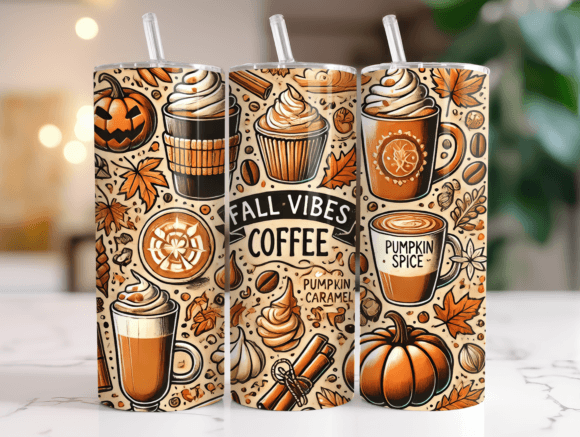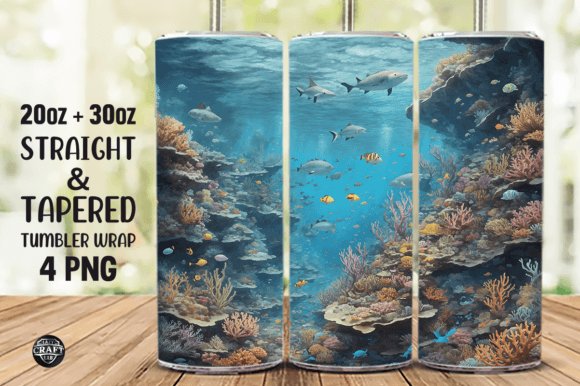
Under the Sea Tumbler Wrap 20oz PNG
A Designer’s First Glance: Whimsy, Flow, and Practical Limits
Opening Under the Sea Tumbler Wrap 20oz PNG feels like unrolling a scroll of ocean breeze—soft curves, playful sea creatures, and gentle negative space. It’s not a dense, high-detail illustration; it’s a balanced, rhythmic wrap built for visibility on cylindrical surfaces. As an embroidery designer who’s stitched hundreds of marine-themed pieces—from baby onesies to boutique aprons—I immediately notice how its layout leans into repetition and rhythm rather than intricate linework. That’s smart. It means fewer stitch jumps, smoother satin stitch runs, and better scalability across fabric types.
Where This Design Truly Shines (and Where It Doesn’t)
I recently used a variation of this motif on a custom embroidered tote bag for a local children’s bookstore—think cotton canvas, medium-weight stabilizer, and soft pastel thread. The Under the Sea Tumbler Wrap 20oz PNG translated beautifully: the jellyfish tentacles stayed fluid in satin stitch, the coral clusters read clearly as fill-stitch shapes, and the overall composition held visual weight without overwhelming the fabric. Customers loved the “underwater calm” it evoked—especially parents buying nursery decor or personalized baby gifts.
But let’s be direct: this isn’t a design for tiny hoop work. If you’re planning to embroider it onto a curved cap front or a narrow baby hat band, scale will be your first negotiation. The original tumbler-wrap proportions assume ~4–5" height and ~8–10" circumference—so shrinking it below 3" tall risks losing legibility in the seaweed swirls or fish outlines. Likewise, avoid placing it directly over seams, stretchy knits, or textured terrycloth unless you’ve tested stabilizer pairing thoroughly.
Real-World Use Across Your Creative Business
- Custom apparel: Works best on relaxed-fit sweatshirts and structured tote bags—not lightweight tees where dense fill areas may pucker.
- Baby embroidery: Ideal for swaddle blankets or bibs when simplified to 2–3 core elements (e.g., just the turtle + one coral shape). Avoid tiny starfish if stitching for preemie-sized items.
- Embroidered patch: Clean edges and moderate detail make it a strong candidate for sew-on or iron-on patches—just confirm the file includes clean vector-aligned outlines (or trace them carefully from the PNG).
- Holiday & gift embroidery: Paired with navy or seafoam fabric, it reads as thoughtful, gender-neutral, and seasonless—great for teacher gifts, baby showers, or coastal wedding favors.
- Etsy & small shop listings: Buyers respond well to lifestyle mockups showing this design on actual tumblers—but remember: since this is a sublimation PNG, not an embroidery file, you’ll need to digitize it first for machine use. Don’t list it as “ready-to-embroider” unless you’ve done that work yourself.
Fabric & Stitching Considerations You Can’t Skip
Thread color contrast makes or breaks this design. On dark fabrics—navy twill, charcoal canvas—the lighter seafoam and sandy yellows pop, but only if your satin stitch density is tight enough to prevent fabric show-through. On light fabrics, reverse the logic: darker threads (deep teal, burnt coral) anchor the motif and prevent it from fading into the background.
Stitch density matters more here than in geometric patterns. Those flowing kelp lines? They rely on consistent satin stitch width and smooth transitions—so test run them at 70% density first. Over-stuffing causes stiffness and distortion, especially on curved surfaces like pillow covers or apron pockets. And always, always use cutaway stabilizer for cotton blends or anything with even slight stretch.
What This Design Says About Your Brand—Before a Single Stitch
Your customers don’t see “PNG file.” They see intention. When Under the Sea Tumbler Wrap 20oz PNG appears on a handmade kitchen towel, it signals care—not just in stitching, but in curation. It tells buyers you understand balance: whimsy without clutter, theme without cliché. That builds trust faster than any description. But it also demands consistency. If your shop sells coastal-themed goods, this design fits right in. If your brand is minimalist monochrome or bold urban streetwear? It’ll feel out of place—no matter how well stitched.
Practical Designer Notes Before You Begin
- Test the design on scrap fabric matching your final product’s weight and weave—not just plain muslin.
- Check small details in black-and-white mockups: will the fish eye or shell spiral vanish on busy fabric?
- Compare how it reads on both light and dark backgrounds before committing to thread colors.
- Confirm whether your digitizing software handles the curve-based layout smoothly—or if manual path adjustments are needed for hoop clearance.
- Review licensing: this is a graphics file intended for sublimation, so commercial embroidery use depends on the seller’s terms. Never assume resale rights apply to finished embroidered products unless explicitly granted.
- Use proper stabilizer—especially for textured or loosely woven fabrics like linen or burlap.
Final Thought: A Tool, Not a Guarantee
Under the Sea Tumbler Wrap 20oz PNG isn’t magic—it’s a well-composed starting point. Its strength lies in adaptability, not automatic perfection. I’ve seen it elevate a simple tea towel into a boutique bestseller, and I’ve seen it flatten into indecipherable blobs on a poorly stabilized knit. What separates those outcomes isn’t the file itself—it’s attention. Attention to fabric behavior, thread choice, stabilizer pairing, and how real hands hold real hoops. Use it thoughtfully, test boldly, and let the ocean rhythm guide your needle—not the other way around.